
Winterizing
A little preparation may prevent a water leak during the winter months!
Winterizing is a process that prepares household plumbing for freezing temperatures that can cause leaks and breaks in the home. When water freezes it expands as it becomes ice. This expansion causes pressure within the pipes, which causes damage.
For more information on how to winterize your pipes click here.For tips on how to thaw a frozen pipe click here.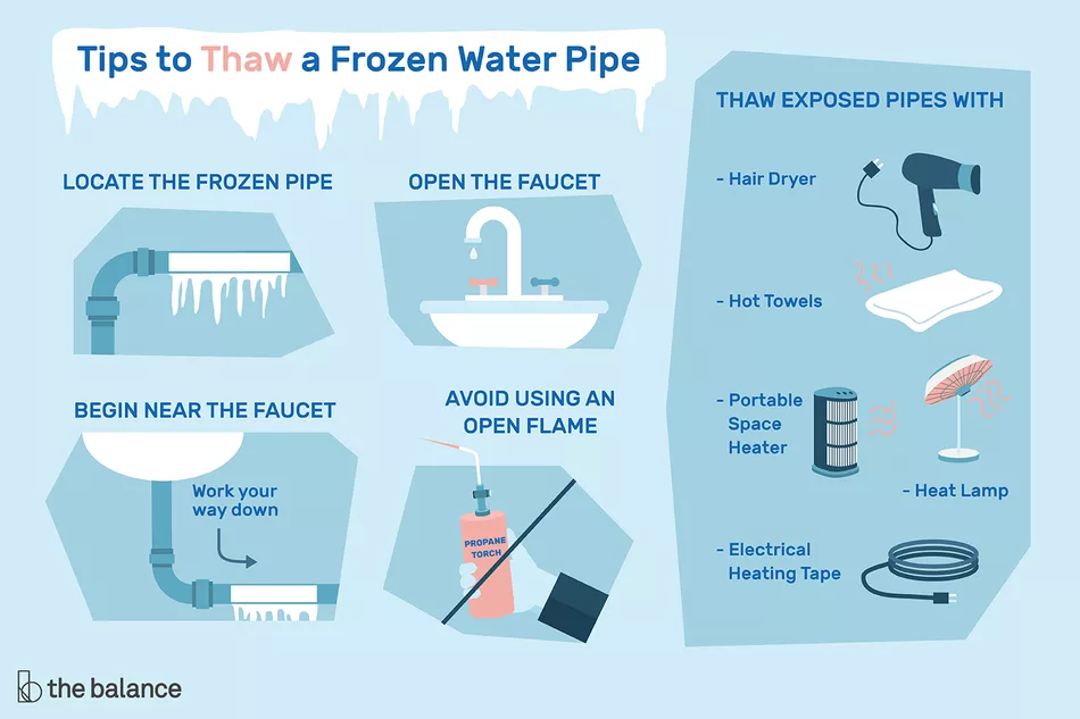
How to Prevent Freezing Pipes
Anywhere cold air blows on a pipe, it creates the potential for freezing. To make sure your pipes are well-insulated, close crawl space vents and stuff insulation over the openings. Even a tiny hole can let a lot of cold air blow in; make sure you fill in all the cracks.
A bathroom or laundry room located above or next to a garage can be particularly vulnerable, so keep the garage door closed to maintain maximum heat.
If your bathroom pipes run along an outside exterior wall, try keeping the vanity door(s) open to allow heat inside. If you’re anticipating a deep freeze, consider using a fan to help circulate the air near the pipes, or purchase a small space heater for some extra temporary heat.
Finally, never turn off the heat when you leave home during the winter. Instead, set the temperature to at least 55 degrees F (higher if you’ve had problems in the past or live in an area of extreme cold). If you have multiple heat zones, be sure to adjust all thermostats appropriately.
It is also important to check for any cracks or openings in walls, floors, and ceilings. If you find holes during your inspection, caulk them to keep cold air from entering those gaps.
Be sure to follow these tips
- Insulate pipes using insulation sleeves, wrapping, or slip-on foam pipe insulation. Avoid leaving gaps, as cold air can affect exposed areas. Plastic piping is more tolerant of freezing than older copper or steel pipes.
- Inspect the exterior of the property and seal any visible cracks. Cold air can enter through these openings and cause pipes to freeze. Use caulking or spray foam to fill gaps.
- Maintain a heat source inside the building to help protect pipes from cold temperatures.
- Keep a faucet slightly dripping to allow water to move continuously, reducing the risk of freezing.
- Ensure the crawl space is properly insulated. Block any vents leading outside using cardboard or wood.
Outside your home
- Don’t forget the hose bibs. They are often left unattended and can burst overnight. Disconnect any hoses, drain them for winter storage, and remove splitters or other attachments from faucets.
- Every faucet should have a shutoff valve inside your home or garage. Locate each valve and turn it off, then open the faucets to drain any remaining water. If water continues to flow, double-check that the valve is fully off. Leave the faucet handle in the “on” position throughout the winter.
- Use heat tape to protect pipes from freezing. This is a common winterizing method, but it can present fire hazards. Follow U.S. CPSC safety recommendations and always follow the manufacturer’s instructions when applying heat tape.
- Turn off your sprinkler system. Most landscapes do not require additional watering during winter. If watering is needed, wait until temperatures rise before turning the system back on.
- Know the location of your main water shut-off before an emergency occurs. Most properties have a courtesy shutoff valve in the meter box near the curb.