
Green Waste
Residents can drop off green waste at the Helendale Thrift Store Monday – Saturday from 11:00 am – 4:00 pm. Closed Sunday
26540 Vista Rd. Suite A. Helendale, CA 92342
Accepted Items:
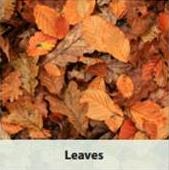
Branches and cuttings, flowers, leaves, grass, sod.
Trimmings cannot exceed 3” in diameter.
Green Waste must be removed from bags or other containers
Not accepted:
- Dirt, rocks boulders
- Large Stumps
- Yucca, Joshua Tree, Cactus, Mulberry Leaves
- Painted or treated wood
- Trash
- Green waste in bags
What is Green Waste?
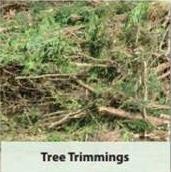
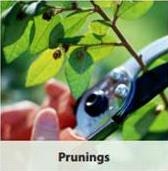
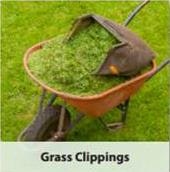
- Yard waste, including tree branches, cuttings, shrubs, flowers, brushes, grass clippings, tree trimmings, and pruning’s.
- Untreated wood waste, such as branches and stumps
- Similar materials generated by homeowners from their lawns and gardens or commercial or nonresidential activities
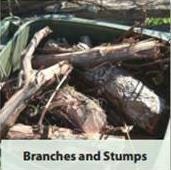
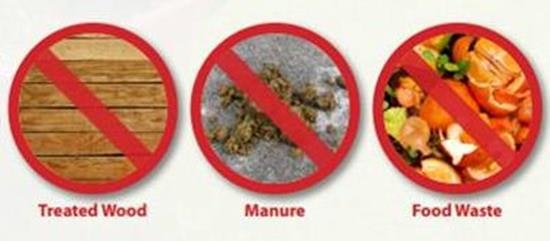
Green Waste is not:
• Treated wood waste, such as wood containing lead-based paint or preservatives
• Manure and plant waste from the food processing industry
• Food waste
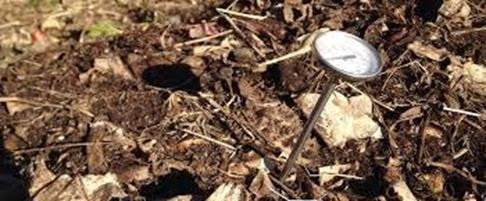
Composting
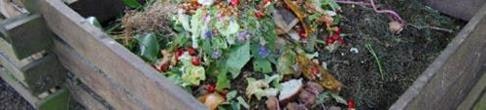
Backyard composting is an easy of managing green waste at home. Food scraps and yard waste make up about 20-30% of what we throw away, and can be composted instead. Making compost keeps these materials out of landfills where they take up space and release methane.
Composting requires three basic ingredients:
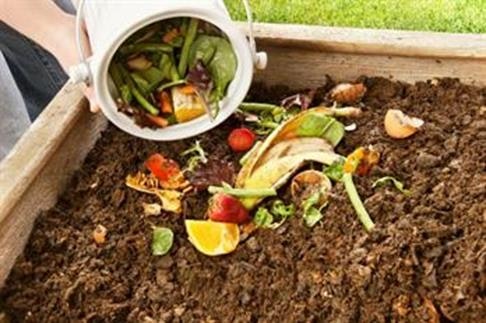
- Browns – This includes dead leaves, branches, and twigs
- Greens – This includes grass clippings, vegetables, fruits, and coffee grounds
- Water – Add water to your pile. Your pile should be the consistency of a wrung out sponge.
- Your compost pile should have equal amounts of browns and greens. Composting has many benefits including:
- Enriches the soil, helping retain moisture reduces pests and disease
- Reduces the need for chemical fertilizers
- Encourages the production of beneficial bacteria in the soil creating a rich nutrient filled soil
- Reduces methane emissions from landfills and lowers your carbon footprint
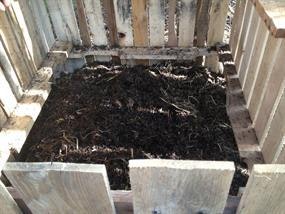
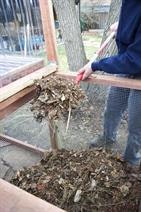
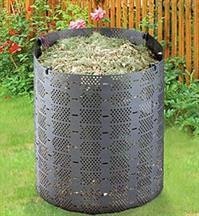
Examples of composting bins

Composting Resources
https://www.epa.gov/recycle/composting-home
https://www.greenmatters.com/food/2018/12/07/ZboPlt/what-is-composting
https://web.extension.illinois.edu/compost/process.cfm
https://www.ecocycle.org/backyard-composting